Every time someone on your team asks how to process a refund, update inventory, or run a report, you have a choice. You can schedule another meeting, write another step-by-step email, or spend 15 minutes walking them through it again. Or you can record your screen once and never explain it the same way twice.
Screen recording software captures everything on your monitor along with your voice. You click through the process while narrating what you are doing. When you finish, you have a video that shows exactly how something works. Your team can watch it when they need it, pause to take notes, and rewatch the tricky parts without interrupting you.
The same tool solves customer support problems. Instead of typing out complicated instructions or waiting for a support call, you record a quick video showing the customer exactly where to click. They see your cursor, hear your explanation, and solve the problem faster than they would reading a help article.
Why Screen Recording Works Better Than Written Instructions
Written instructions require translation. The person reading has to match your words to what they see on their screen. If your software updated last week or their account looks slightly different, they get lost. A screen recording shows the real interface. They see the exact button, menu, or field you are talking about.
Videos also capture context. You can show someone not just what to click, but why it matters and what happens next. That reduces follow-up questions and builds actual understanding instead of rote memorization.
For visual tasks like design work, data entry, or software configuration, a 90-second screen recording often replaces a 30-minute meeting. The person watching learns faster because they control the pace, and you save time because you explain it once instead of five times.
Choosing Screen Recording Software That Actually Gets Used
The best screen recording tool is the one simple enough that your team will actually use it. You need software that starts recording with one click, saves the file automatically, and lets you share a link without uploading to three different platforms.
Free tools like Loom and Screencastify work well for most small businesses. Both run in your browser, record your screen and webcam together, and generate a shareable link as soon as you finish. You can trim mistakes, add a thumbnail, and send the link in a chat or email.
If you need more control, tools like Camtasia and ScreenFlow offer editing features, annotations, and the ability to export files in specific formats. They cost more and have a learning curve, but they work well if you are building a library of polished training videos.
For quick support videos or internal how-tos, start with a free tool. If you find yourself recording often and wishing for better editing, upgrade later.
What to Record First
Start with the questions you answer most often. If three people asked how to generate a sales report this month, record it. If customers regularly ask how to reset their password or update payment details, make a video.
Build a small library of recordings that cover your most common tasks. Store them in a shared folder, a simple help center, or a private YouTube playlist. Label them clearly so people can find what they need without asking you first.
How to Record a Clear, Useful Screen Video
Good screen recordings do not require professional equipment or editing skills. They require preparation. Before you hit record, close unnecessary browser tabs and apps. A cluttered screen distracts from the task you are demonstrating.
Open the software or page you plan to show and rehearse the steps once. You do not need a script, but knowing the sequence prevents long pauses while you remember what comes next.
When you record, narrate what you are doing and why. Instead of saying, "Click here," say, "Click the blue Save button at the bottom to apply these changes." Specificity helps people follow along even if their screen looks slightly different.
Keep videos short. A five-minute recording that covers one task works better than a 20-minute video that tries to explain everything. If a process has multiple steps, break it into separate recordings.
Using Screen Recordings for Customer Support
When a customer reports a problem, a screen recording often solves it faster than a phone call. You can show them exactly how to fix an issue, navigate a confusing feature, or complete a task they are stuck on.
Record the solution, share the link, and they can watch it immediately. If the same issue comes up again, you already have the video ready. Over time, you build a library of support videos that reduces your support workload.
Some businesses embed these videos directly into their help documentation. Others keep them private and send them individually. Either way, customers appreciate seeing the solution instead of reading about it.
Training New Employees Without Repeating Yourself
Onboarding a new team member usually means repeating the same explanations you gave the last person. Screen recordings let you document processes once and use them for every new hire.
Record videos that cover how to use your project management software, where to find important files, how to process common requests, and how to use internal tools. New employees can watch these videos before their first day and refer back to them whenever they need a refresher.
This does not replace human training, but it covers the repetitive parts so you can spend your time on higher-level guidance and questions that actually require a conversation.
Keeping Recordings Up to Date
Software changes. Processes evolve. A screen recording from two years ago might show outdated menus or steps that no longer apply. Schedule time every few months to review your most-used videos and update anything that changed.
This does not mean re-recording everything. If a button moved but the process stayed the same, add a note in the video description. If the whole workflow changed, record a new version and archive the old one.
Making Screen Recordings Part of Your Workflow
The best way to use screen recording software is to treat it like documentation. When you solve a tricky problem, record the solution. When you build a new process, capture it on video. When someone asks a good question, turn your answer into a recording.
Over time, this reduces interruptions, speeds up training, and gives your team the resources they need to solve problems independently. You stop being the bottleneck for every small question, and your business runs more efficiently.
If you need help setting up better workflows or building systems that save you time, get in touch. Screen recordings are one piece of working smarter, and there are plenty of other ways to make technology work for you instead of the other way around.
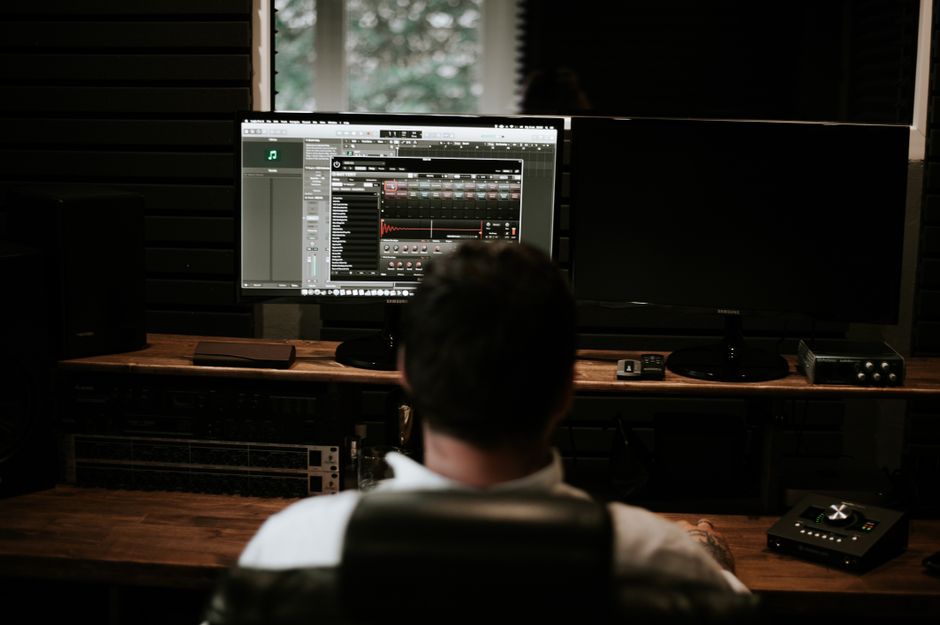
Image credit: Photo by John Taran on Pexels.