
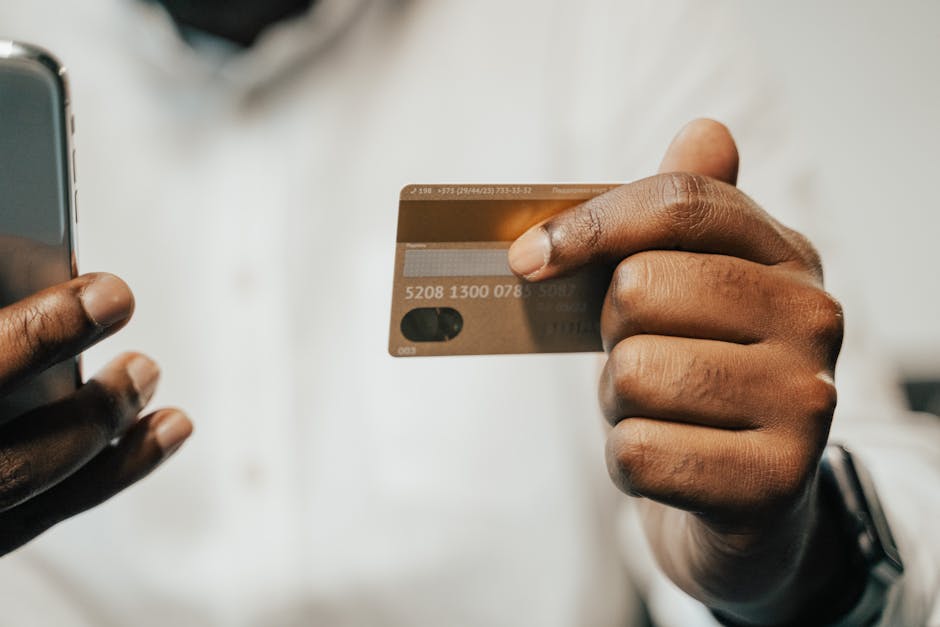
Every few months, another major retailer or online service announces a data breach. Millions of credit card numbers get stolen, and customers spend hours canceling cards, disputing charges, and waiting for replacements. Virtual credit cards solve this problem by generating temporary card numbers that shield your real account information from hackers and dishonest merchants.
A virtual credit card works like a disposable alias for your actual credit card. You create a unique card number for each merchant or purchase, set spending limits, and revoke access whenever you want. If that number gets stolen in a breach, it cannot be used to charge your real account or drain your bank balance.
Why Virtual Credit Cards Matter for Small Business Owners
Small business owners make dozens of online purchases every month. Software subscriptions, office supplies, domain renewals, advertising campaigns, and vendor payments all require entering credit card details on different websites. Each transaction creates another opportunity for your card number to be exposed.
Virtual cards reduce this risk significantly. When a vendor gets hacked or a shady subscription service refuses to cancel, you simply delete that virtual card number. Your real account stays protected, and you avoid the hassle of updating payment methods across every service that uses your card.
Virtual cards also make it easier to track business expenses. You can create separate card numbers for different categories or vendors, then review spending by card number instead of combing through one long statement. This saves time during tax preparation and makes it obvious when a subscription you forgot about is still charging you.
How Virtual Credit Cards Actually Work
Most virtual card services connect to your existing credit card or bank account. When you need to make a purchase, you log into the virtual card platform and generate a new card number. This number includes a CVV code and expiration date, just like a physical card.
You can set spending limits on each virtual card. For example, if you are signing up for a free trial that requires a credit card, you can create a virtual card with a one dollar limit. If the company tries to charge you after the trial ends, the payment will be declined because it exceeds your limit.
You can also create single-use cards that expire after one transaction, or merchant-locked cards that only work with a specific retailer. Some services let you pause or delete cards instantly from your phone, which is useful when you spot a suspicious charge.
Popular Virtual Credit Card Services
Privacy.com is one of the most popular virtual card services for individuals and small businesses. It connects to your bank account and lets you create up to 12 free virtual cards per month. Paid plans remove that limit and add features like team cards and higher spending limits. Privacy cards work anywhere that accepts Visa.
Many major banks now offer virtual card numbers as a built-in feature. Capital One, Citi, and American Express all provide virtual card tools through their websites or mobile apps. These services are free for cardholders and generate numbers tied directly to your existing credit card account.
Apple Card users can generate virtual card numbers through the Wallet app on iPhone. Each number is unique to the merchant, and you can view or regenerate numbers at any time. This feature works seamlessly with Safari autofill, making online checkout faster and more secure.
Setting Up Your First Virtual Card
Start by choosing a virtual card service that fits your needs. If you already have a credit card from a major bank, check whether they offer virtual numbers before signing up for a third-party service. Most bank-provided virtual cards are free and easier to manage alongside your existing account.
Once you have access to virtual cards, create a test card with a low spending limit. Use it for a small purchase to see how the process works. Pay attention to how charges appear on your statement and how quickly you can pause or delete the card if needed.
After you are comfortable with the basics, start using virtual cards for recurring subscriptions and purchases from unfamiliar merchants. These are the transactions most likely to cause problems later, either through unexpected charges or data breaches.
Best Practices for Using Virtual Cards Safely
Create a new virtual card for every subscription service. This makes it easy to cancel by simply deleting the card number, and it prevents one compromised merchant from affecting multiple accounts. Label each card clearly so you remember which service it belongs to.
Set spending limits that match your expected charges. If you are signing up for a 10 dollar monthly subscription, set a 15 dollar limit to allow for small price increases while blocking unauthorized large charges. Adjust limits only when necessary.
Use single-use cards for one-time purchases from merchants you do not plan to buy from again. This eliminates any risk of future unauthorized charges and keeps your real card number completely private.
Review your virtual card activity regularly, just as you would with a physical card. Even though virtual cards reduce risk, you should still watch for unexpected charges and respond quickly to anything suspicious.
When Virtual Cards Are Not the Right Solution
Virtual cards work best for online purchases and recurring subscriptions. They are not useful for in-person transactions unless your virtual card service offers a physical card option or integrates with mobile wallets like Apple Pay or Google Pay.
Some merchants do not accept virtual cards, particularly those that require card verification for age-restricted products or services. Car rental companies and hotels often place holds on credit cards that exceed the limits you might set on a virtual card, causing the transaction to fail.
If you need to dispute a charge or request a refund, virtual cards can complicate the process. Make sure you keep records of which virtual card you used for each purchase, especially for expensive items or services with return policies.
Making Virtual Cards Part of Your Security Strategy
Virtual credit cards are one piece of a larger approach to online security. They work best when combined with strong passwords, two-factor authentication, and regular monitoring of your financial accounts. You can learn more about building a complete security plan by visiting our security services page.
Start using virtual cards today for your riskiest transactions. Free trials, unfamiliar online stores, and recurring subscriptions are perfect candidates. As you get comfortable with the technology, expand to more of your online purchases. Your real credit card number will stay safe, and you will spend less time worrying about the next data breach.
Image credit: Photo by Tima Miroshnichenko on Pexels.