Most business owners don't wake up one morning and decide their website needs a complete overhaul. Instead, they notice small problems piling up. Pages load slowly. The contact form stops working. Customers mention the site looks outdated. At some point, these issues cross a line from minor annoyances to real business problems.
The question is: how do you know when you've crossed that line?
A website redesign is a significant investment of time and money. You don't want to rush into it unnecessarily, but you also can't afford to wait until your outdated site is actively driving customers away. Here are seven clear warning signs that it's time to consider a redesign, and what each one actually means for your business.
Your Site Doesn't Work Well on Mobile Devices
More than half of all web traffic now comes from phones and tablets. If your site forces visitors to pinch and zoom to read text, or if buttons are too small to tap accurately, you're losing potential customers every single day.
Test your site on your own phone. Navigate to your contact page, try to fill out a form, attempt to make a purchase if you sell online. If any part of that experience feels clunky or frustrating, your visitors feel the same way. They just leave instead of pushing through.
A modern WordPress site should be fully responsive, meaning it automatically adapts to any screen size. If yours doesn't, that's a foundational problem worth fixing.
Your Bounce Rate Keeps Climbing
Bounce rate measures how many visitors leave your site after viewing only one page. A high bounce rate usually means people aren't finding what they expected, or the experience is so poor they don't bother exploring further.
Check your Google Analytics. If your bounce rate is consistently above 70 percent, something is wrong. It might be slow loading times, confusing navigation, or a design that looks so outdated visitors assume your business is no longer active.
Speed Matters More Than You Think
Site speed and bounce rate are closely connected. If your pages take more than three seconds to load, you're losing roughly half of your mobile visitors before they even see your content. A redesign focused on performance optimization can dramatically improve these numbers.
You Can't Update Content Yourself
One of the biggest advantages of WordPress is how easy it should be to update your own content. If you need to call a developer every time you want to change a photo, add a new service, or update your hours, your site is working against you.
This usually happens with older custom themes that were built without a proper content management approach. Modern WordPress sites use page builders or block editors that let you update pages as easily as editing a document. If you're locked out of basic updates, it's time for a change.
Your Site Looks Like It's From 2010
Design trends evolve, and websites age faster than you might think. Certain visual elements immediately date a site: flash intros, auto-playing music, cluttered sidebars, stock photos that look obviously staged.
Your website is often the first impression potential customers have of your business. If it looks outdated, they may assume your business practices are outdated too. Fair or not, visitors make snap judgments about credibility based on design.
You don't need to chase every trend, but your site should look current and professional. If you're embarrassed to share your URL with potential clients, that's a problem.
You're Not Getting Leads or Sales
This is the most important warning sign. Your website exists to support your business goals, whether that's generating leads, making sales, or building your email list. If it's not doing that job, the reason why doesn't really matter.
Sometimes the issue is technical. Forms don't work, the checkout process is broken, or pages don't load. Other times, it's strategic. Your calls to action aren't clear, your value proposition is buried, or your navigation makes it hard for visitors to take the next step.
A good redesign addresses both. It fixes technical problems and restructures content around what your customers actually need. If you run a WooCommerce store and sales have plateaued despite steady traffic, a WooCommerce optimization project might be exactly what you need.
Your Site Is Difficult to Maintain
WordPress releases regular updates for security and performance. Your theme and plugins need updates too. If your site breaks every time you run updates, or if you're afraid to touch anything because it might cause problems, you're sitting on a fragile foundation.
Technical debt accumulates over time. Old code, deprecated plugins, and outdated PHP versions create security vulnerabilities and compatibility issues. At a certain point, it's actually cheaper and safer to rebuild than to keep patching problems.
You've Outgrown Your Original Purpose
Maybe you launched your site five years ago as a simple brochure for your services. Now you want to sell products online, accept appointments, offer a members area, or integrate with business software. Your current site wasn't built for that.
Trying to force new functionality into an old structure rarely works well. It's like adding rooms to a house without checking if the foundation can handle the weight. A redesign lets you rebuild with your current and future needs in mind.
What Comes Next
If several of these warning signs sound familiar, a redesign is probably worth serious consideration. The good news is that a redesign doesn't have to mean starting from absolute zero. You can often preserve your content, maintain your search rankings, and keep what's working while fixing what isn't.
The key is working with someone who understands both the technical side and the business side. A redesign should solve real problems and support actual business goals, not just make things look prettier. If you're ready to have that conversation, reach out and we can talk through what makes sense for your specific situation.
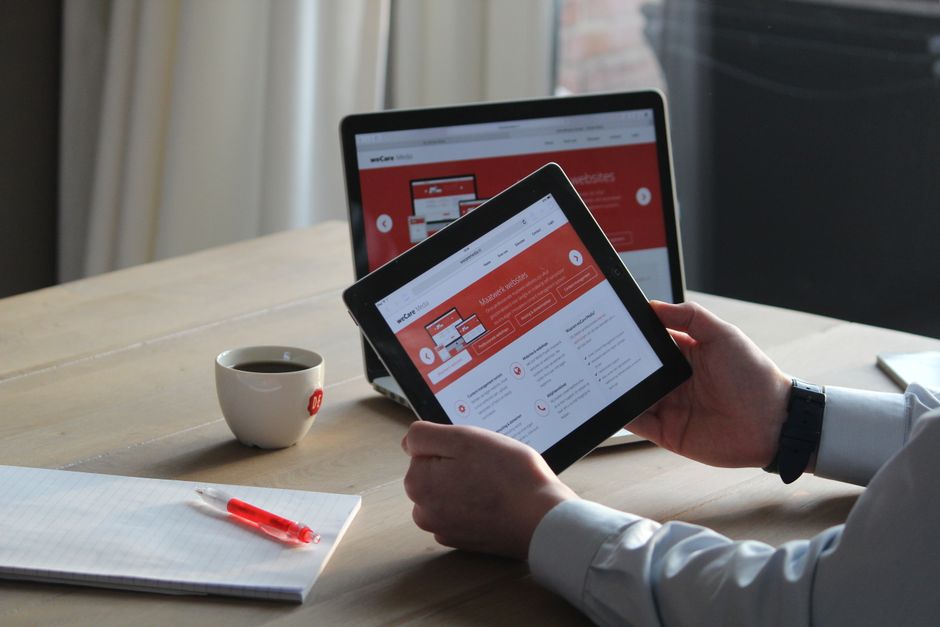
Image credit: Photo by weCare Media on Pexels.