If your team is still emailing spreadsheets back and forth or juggling multiple versions of the same document across laptops, you're wasting time on a problem that was solved years ago. Network-attached storage, or NAS, gives everyone in your office instant access to the same files from any device without paying monthly cloud fees or wondering which version is the real one.
A NAS device is essentially a dedicated file server that sits on your local network. It looks like a small tower or box with one or more hard drives inside. You plug it into your router, configure access permissions, and everyone on your network can open, edit, and save files as if they were on their own computer. No uploading. No downloading. No conflicts.
Why NAS Makes Sense for Small Businesses
Cloud storage services charge per user or per gigabyte every month. That adds up fast when you're storing project files, client records, photos, or video. A NAS device costs more upfront, but there are no recurring fees. You own the hardware and the storage. For businesses with 5 to 20 employees, the break-even point is often less than a year.
Speed is another advantage. Files stored on a local NAS load faster than cloud files because they're not traveling over the internet. If you work with large design files, video projects, or databases, that speed difference is noticeable. You also keep full control over your data. Nothing leaves your building unless you decide to set up remote access.
NAS devices also handle automatic backups. You can schedule them to copy files from employee computers every night, so if someone's laptop dies or gets stolen, nothing is lost. Most models support RAID configurations, which mirror data across multiple drives so a single drive failure doesn't take down your files.
What You Need to Get Started
You'll need a NAS device, compatible hard drives, and an Ethernet cable. Popular brands include Synology, QNAP, and Asustor. Entry-level two-bay models start around $200 without drives. Add two 4TB drives and you're looking at $400 to $500 total for 4TB of usable space in a mirrored setup.
Choose a model that supports the number of drive bays you'll need. A two-bay unit is fine for small teams. Larger offices or media-heavy businesses should consider four-bay or larger models for more storage and redundancy options. Check that the device includes gigabit Ethernet ports. Slower connections defeat the purpose.
Hard drives sold for NAS use are designed to run continuously and handle multiple users accessing files at once. Brands like Western Digital Red or Seagate IronWolf are built for this. Don't use regular desktop drives. They're not rated for 24/7 operation and will fail faster.
Setting Up Your NAS Device
Installation is simpler than it sounds. Insert the hard drives into the bays, connect the NAS to your router with an Ethernet cable, and plug in the power. Most devices walk you through setup with a web-based wizard. You'll create an admin account, configure RAID if you're using multiple drives, and set up shared folders.
Create separate folders for departments or project types. Set permissions so people only see what they need. An employee in accounting doesn't need access to design files. A contractor working on a single project shouldn't see your entire file system. Most NAS systems let you assign read-only or full-access permissions per user or group.
Once the folders are set up, map them as network drives on employee computers. On Windows, open File Explorer, right-click This PC, and choose Map Network Drive. On Mac, go to Finder, click Go, then Connect to Server. Enter the NAS address and credentials. The shared folders will appear alongside local drives and stay accessible every time the computer starts.
Enabling Remote Access Safely
If your team works remotely or you travel for business, you can access your NAS from anywhere with an internet connection. Most manufacturers offer apps or built-in VPN servers to make this secure. Synology has QuickConnect. QNAP offers myQNAPcloud. These services create an encrypted tunnel between your device and the NAS without exposing your files directly to the internet.
Do not simply open ports on your router and call it a day. That's how systems get compromised. Use the manufacturer's remote access tools or set up a proper VPN. Enable two-factor authentication on your NAS admin account. Update the firmware regularly. These devices run full operating systems and need security patches just like computers do.
Backing Up Your NAS
A NAS protects against drive failure, but it doesn't protect against fire, theft, or ransomware. You still need an offsite backup. Many NAS devices can sync critical files to a cloud service like Backblaze B2 or Wasabi, which charge a fraction of what consumer cloud storage costs. Alternatively, set up a second NAS at a trusted location and configure automatic replication between the two.
Schedule backups to run overnight when the network is quiet. Test your backups by restoring a few files every few months. A backup you've never tested is just a guess.
Common Mistakes to Avoid
Don't skip RAID configuration if your NAS supports it. A single drive will eventually fail. RAID 1 mirrors data across two drives so you can swap out a bad drive without losing anything. Don't buy the cheapest drives you can find. Spend the extra $20 per drive for NAS-rated models. They last longer and come with better warranties.
Don't ignore user permissions. Giving everyone full access to everything creates security risks and makes it easy to accidentally delete important files. Take 20 minutes to set up proper access controls from the start.
Don't assume your NAS is invincible. It's a computer. It needs updates, monitoring, and an offsite backup plan.
When NAS Makes the Most Sense
Network-attached storage works best for teams that need fast access to shared files from a fixed location. If your employees are in the office most of the time and you're tired of cloud subscription fees, NAS is a solid investment. If your team is fully remote and scattered across time zones, a cloud solution might be simpler.
For businesses that handle sensitive client data or operate in regulated industries, keeping files on local hardware gives you direct control over compliance and security. You decide who has access. You manage the updates. You know exactly where the data lives.
If you're unsure whether a NAS fits your workflow or need help planning your file storage and backup strategy, reach out. We work with Connecticut businesses on practical IT solutions that don't require a dedicated IT department.
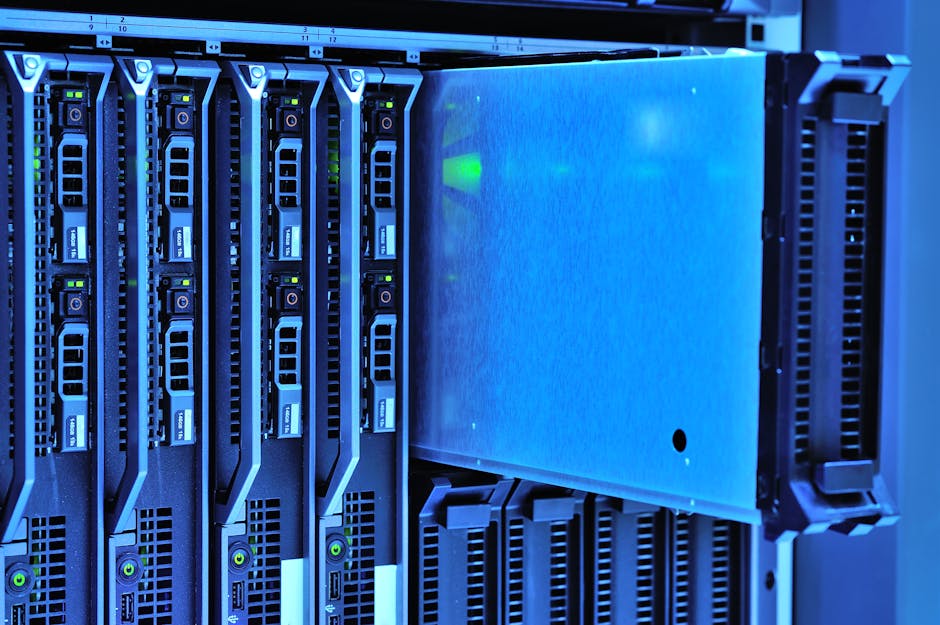
Image credit: Photo by panumas nikhomkhai on Pexels.